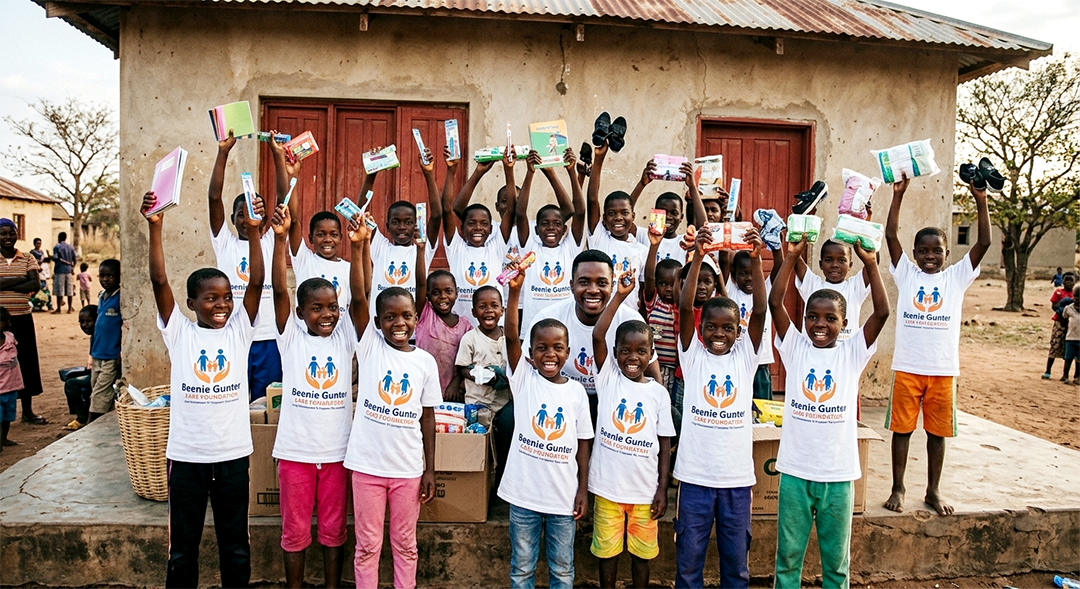
Founded in 2023, the Beenie Gunter Care Foundation is dedicated to restoring hope, dignity, and empowerment to Uganda's most vulnerable communities.
The Beenie Gunter Care Foundation (BGCF) is a charity organization based in Kampala, Uganda.
Founded in 2023, we have been operating remotely and attained formal registration and recognition status in 2026. BGCF is dedicated to restoring hope, dignity, and empowerment to the country's most vulnerable populations through targeted advocacy, empowerment programs, pro bono legal services, and sustainable livelihood activities.
Uganda's child poverty is rated at 30 million children living below the poverty line. 13% of Uganda's child population are orphans. Gender-based violence is a pandemic costing Uganda 31.3 Trillion Uganda Shillings to address. Disability exclusion and the impacts of HIV/AIDS have disproportionately affected Ugandan women, children, youth, the elderly, refugees, and internally displaced persons. Child marriages are another grave concern — UNICEF records 4 million child brides, placing Uganda 16th globally in prevalence.
BGCF addresses these mega issues through community-driven interventions combining immediate relief with long-term skill-building and systemic advocacy.

Uganda has made notable development progress, yet significant vulnerabilities persist.
Millions of orphans are affected by HIV/AIDS, conflict, or poverty — leading to limited access to education, healthcare, and stable homes.
Women and girls face high rates of domestic violence, early marriage, and economic dependence.
Persons with disabilities face stigma, limited access to services, and barriers to employment and education.
Youth unemployment runs at 23–40% for ages 15–24, with limited paths forward for those not in education or training.
Over 40% of Uganda's population lives in poverty — particularly in urban slums and rural areas — with limited social protection.
Economic insecurity drives vulnerability to exploitation, mental health challenges, and substance abuse especially among youth.
Marginalized groups have very limited access to skills development, mentorship, and platforms for self-expression.
Poverty in rural and urban slums, food insecurity, and marginalisation of those affected by HIV/AIDS and conflict remain pervasive.
"A Uganda Where Every Vulnerable Individual Has Access To Care, Opportunities, and Hope, Empowering Communities to Thrive with Dignity and Self-Reliance."
"To empower Uganda's most vulnerable individuals and communities through advocacy, skills development, and sustainable livelihood initiatives."
Provide holistic empowerment programmes — education, skills training, and psychosocial support — to build resilience.
Promote advocacy for the rights of vulnerable groups through policy engagement and community awareness campaigns.
Restore hope through music therapy, creative expression, and mentorship linked to Beenie Gunter's Guntalk Empire network.
Provide counselling, trauma healing, and mental health support to rebuild emotional resilience.
Advocate for youth rights, mental health awareness, and policy changes affecting vulnerable groups across Uganda.
Provide empowerment and skills training in music production, entrepreneurship and digital skills for economic independence.
Support sustainable livelihoods through vocational training, micro-enterprises, and income-generating activities.
Foster community cohesion and reduce social vulnerabilities via inclusive programmes that address stigma.
Facilitate vocational training, microfinance access, and income-generating projects including agriculture and small businesses.
Build partnerships with government, NGOs, private sector, and international donors for greater sustainable impact.
Youth and children affected by poverty, HIV/AIDS, or conflict in Kampala and rural districts.
Unemployed youth and urban refugee children with limited access to education and skills development.
Women and girls facing gender-based violence or economic marginalisation who need safety and empowerment.
Individuals overcoming stigma and systemic barriers to education, employment, and social inclusion.
Isolated or unsupported older persons in need of dignified care, support, and community connection.
Families in Kampala urban slums and selected rural districts facing food insecurity and poverty.
Individuals and families impacted by HIV/AIDS lacking adequate support systems, healthcare, or livelihoods.
Internally displaced persons and communities recovering from conflict who need rebuilding support.